
Worn Sweater Story #2
Where new values meet
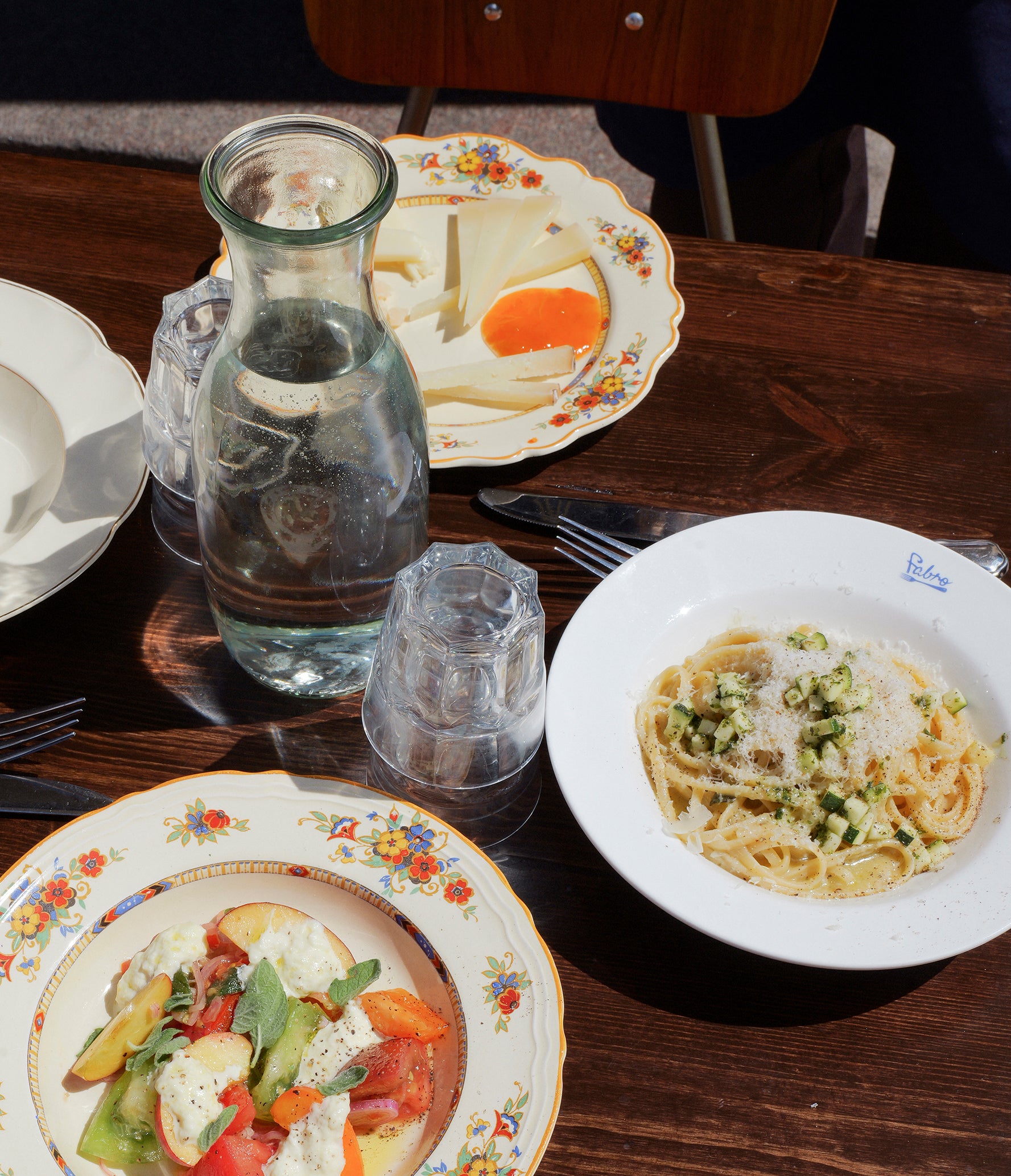
2017, Fabro began with a simple idea: Good pasta should be available to everyone.
The vision was to create a place where people could eat well, using proper ingredients, without having to spend a fortune. Copenhagen had expensive pasta restaurants and cheaper, more functional alternatives. What was missing was something in between: a restaurant where quality and affordability could coexist.
That idea became Fabro.
Today, Fabro together with its sister restaurant, Fiasco, represents something larger than a successful restaurant concept. At its heart is a belief that food, hospitality and community should be accessible to everyone. The idea behind Fabro is fundamentally democratic.
Going out for dinner should not be something reserved only for people with money to spare. You should be able to sit down, order a plate of pasta made with good ingredients and feel that you are getting something genuinely worthwhile — without the experience becoming exclusive.
That is the balance Fabro has tried to strike from the beginning.
From an Idea to a Community
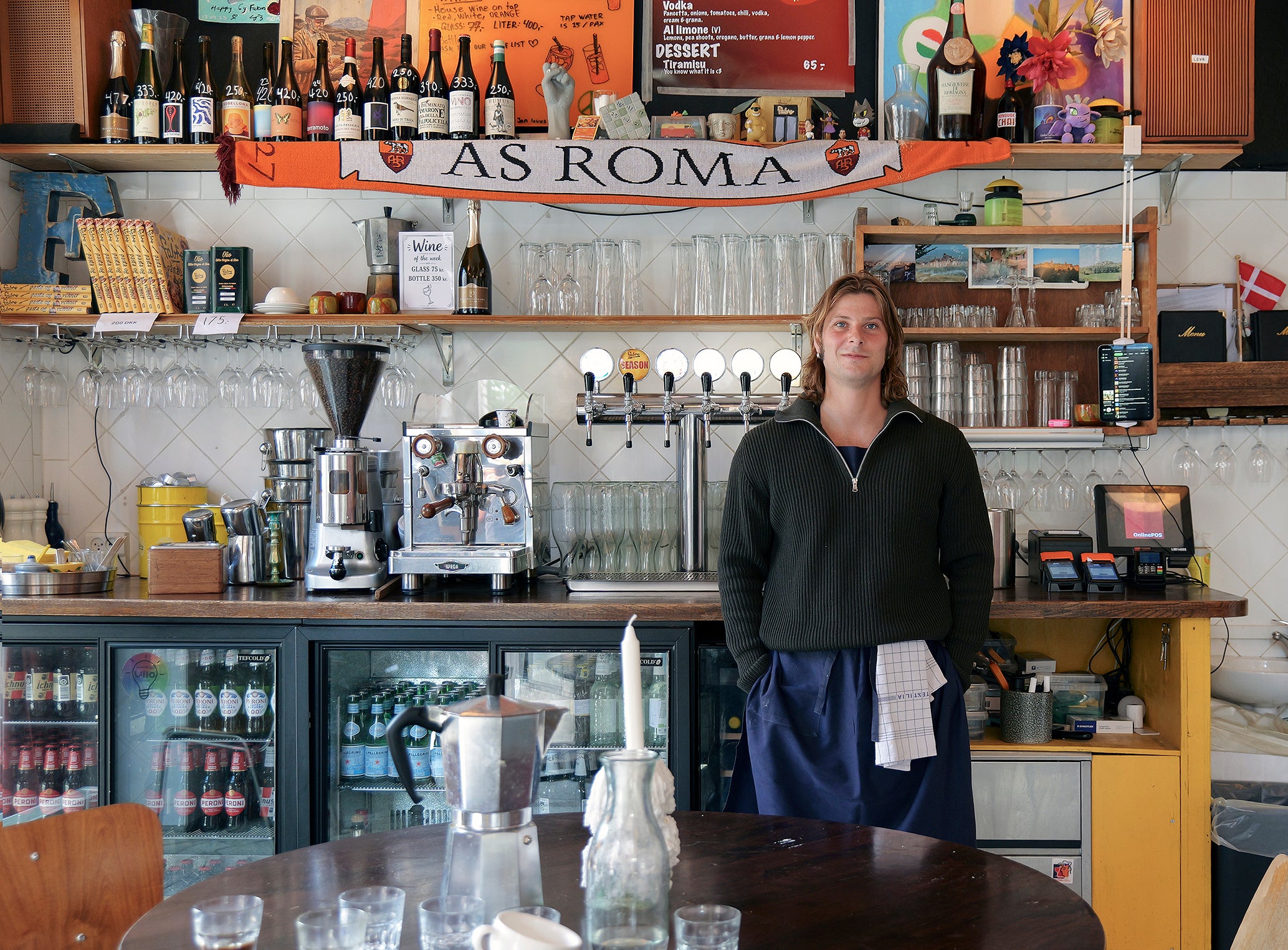
When Luca Brancaaccia, his cousin Frederik and their friend Jon started Fabro, they were young and, by their own admission, perhaps a little naive.
But there was also an advantage to that naivety. They were willing to try something different. They did not want to build a company that would eventually turn its owners into slaves to their own business. They wanted to create a place where people could work hard, take responsibility and still have a good work/life balance and earn a good salary.
Nine years later, that original attitude remains part of the culture, adding the sister restaurant Fiasco as even more diverse offering to the community.
Fabro has become a community of employees, regulars, friends and guests. The restaurant is not simply a place people come to eat and leave again. Relationships have developed around it, and those relationships have become part of what the restaurants are.
Luca remains an important part of that story, but Fabro is ultimately bigger than its founder.
His philosophy is reflected in the way the restaurants approach people. Personality and values can matter more than a perfect CV. The goal is to bring together people who take responsibility, care about others and contribute positively to the atmosphere around them. Trust is central.
“Give people responsibility and respect, and they are more likely to take ownership of what they do. The result is not only better employees, but a stronger bond between people - a family!” says Luca.
That philosophy also extends beyond the restaurant itself. Fabro's Christmas parties, summer trips and shared experiences — from Langeland and Bornholm to Lisbon — are part of creating a workplace where people genuinely enjoy being together.
If you are going to spend a large part of your life at work, the thinking goes, you should have fun while doing it. It is also about what happens outside the restaurant.
Football, celebrations, trips and shared experiences all contribute to a sense that Fabro is something people are part of, rather than simply somewhere they work.
For Luca, football, including his former employment with AS Roma, provides another example of the values he believes in: discipline, teamwork, loyalty and the understanding that hard work eventually bears fruit.
These values are equally relevant in a restaurant. No individual creates a community alone.
Milan Bastos and the Kitchen
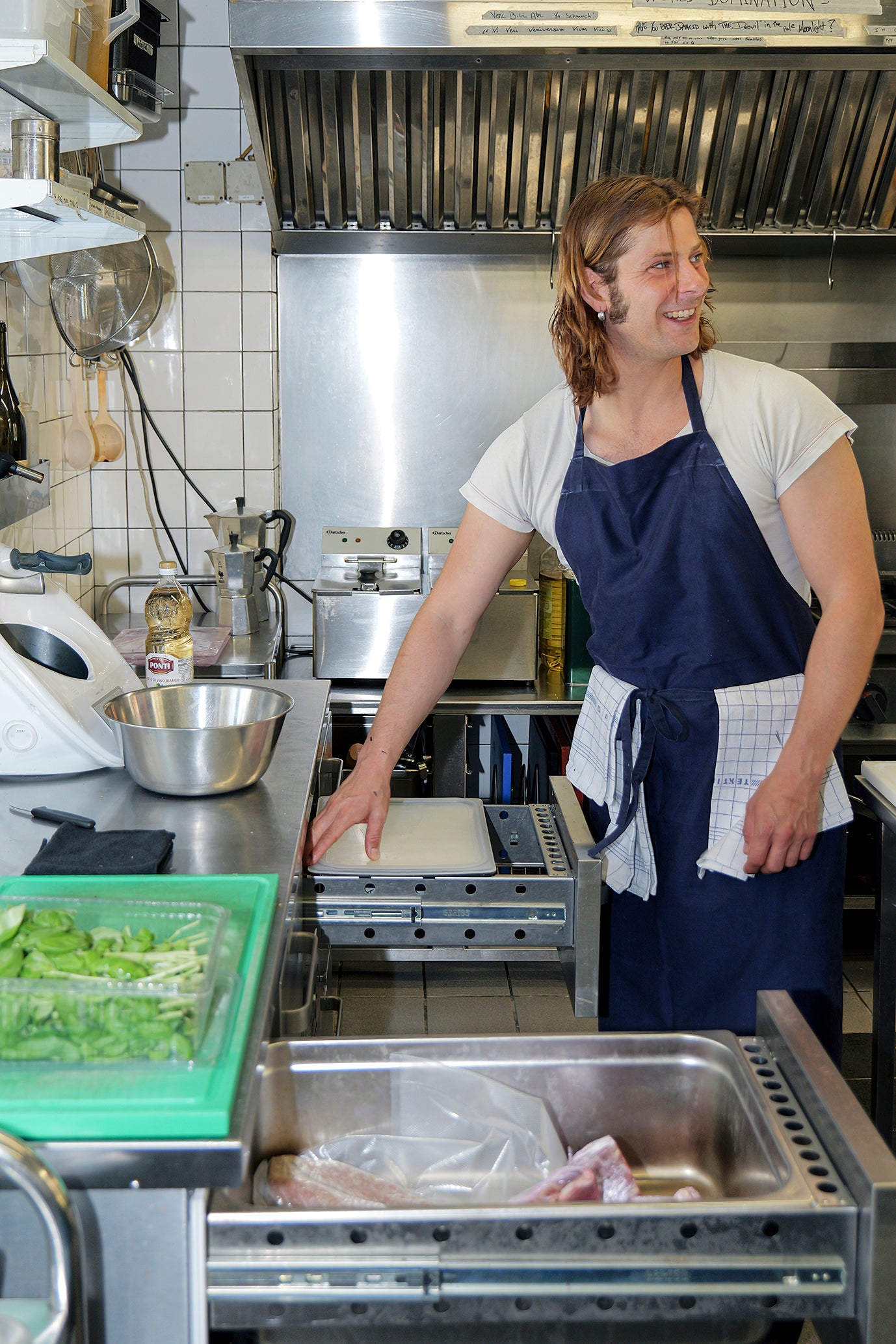
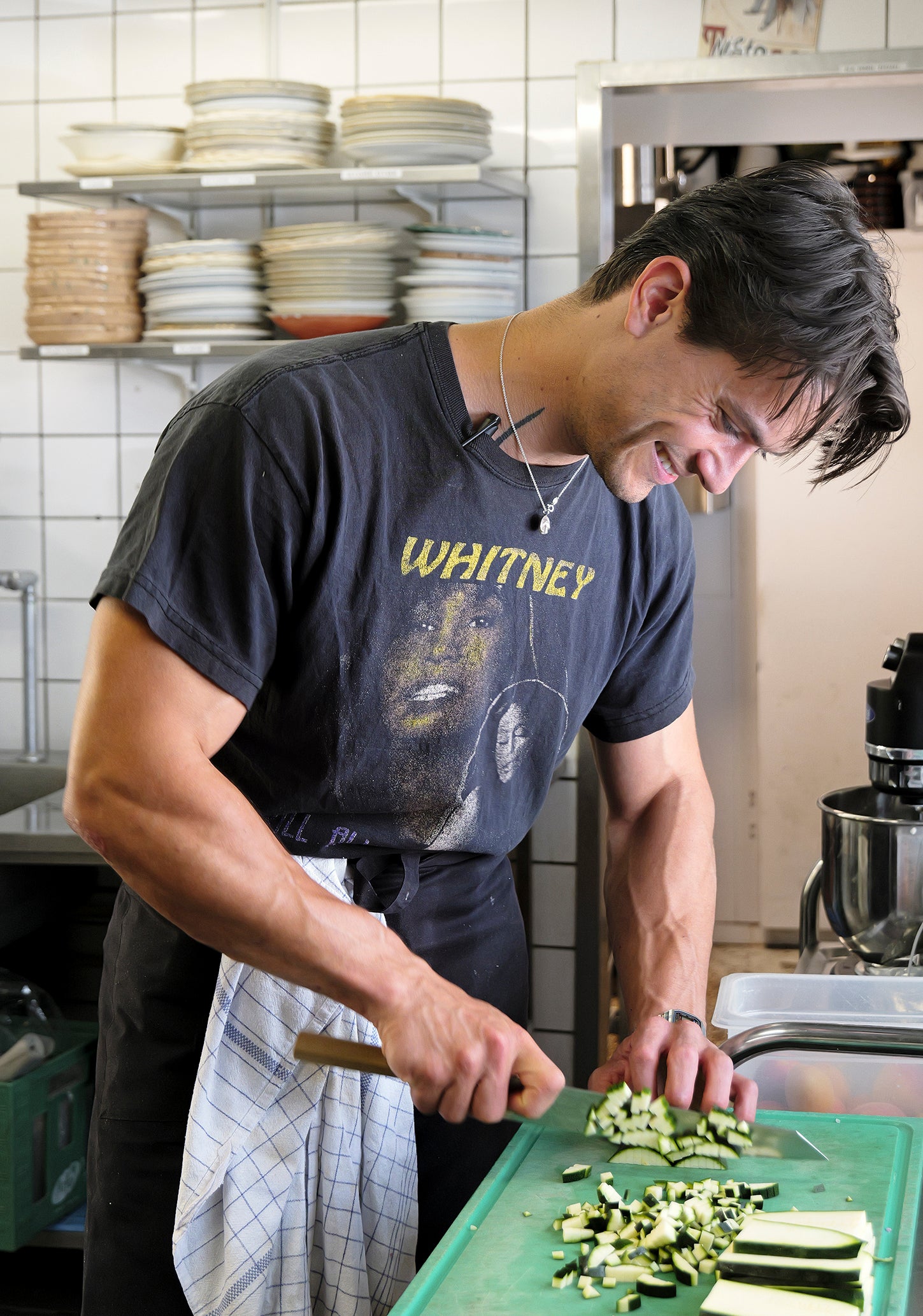
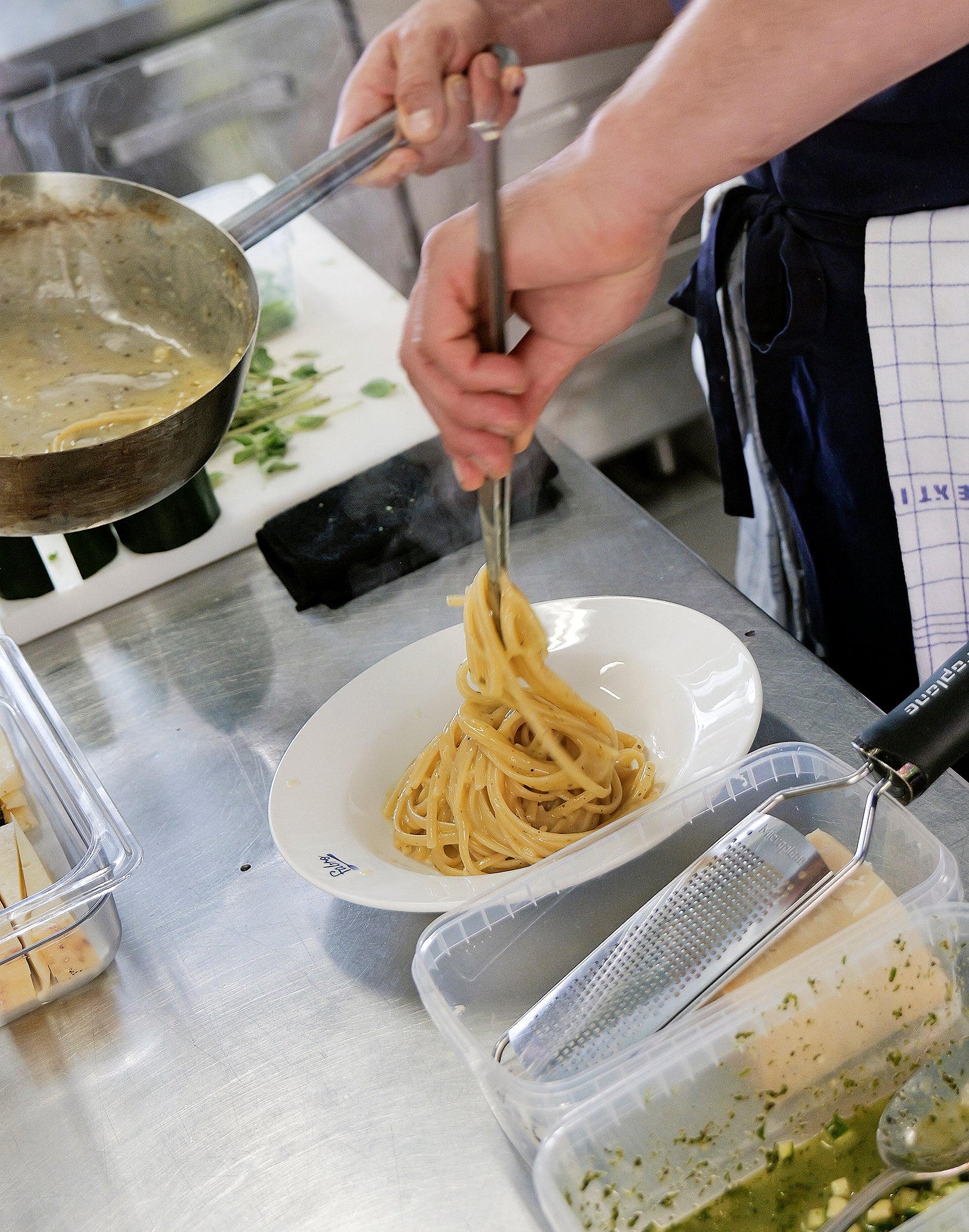
At Fabro and Fiasco, that commitment to quality is also reflected in the kitchen, led by head chef Milan Bastos, formerly of Henne Kirkeby Kro.
Bastos brings experience from one of Denmark's most respected culinary environments, but his role at Fabro fits naturally into the restaurant's broader philosophy: high standards and serious cooking can exist within an accessible, informal setting.
His background is a reminder that making food democratic does not mean lowering the bar. Quite the opposite. It means finding ways to bring experience, craftsmanship and quality to a much wider audience.
Treating Each other With Love
There is also a more fundamental idea behind Fabro: treat people properly.
Open a door for an elderly person. Help someone when they need it. Treat your colleague with the same respect you expect yourself. These things are small, but they matter.
The belief is that if people begin treating one another better, that behaviour can spread. A restaurant may only be one small part of a city, but the way people behave within it can still have an impact. In that sense, community becomes more than a business strategy.
It becomes a way of thinking about how we want to live together.